
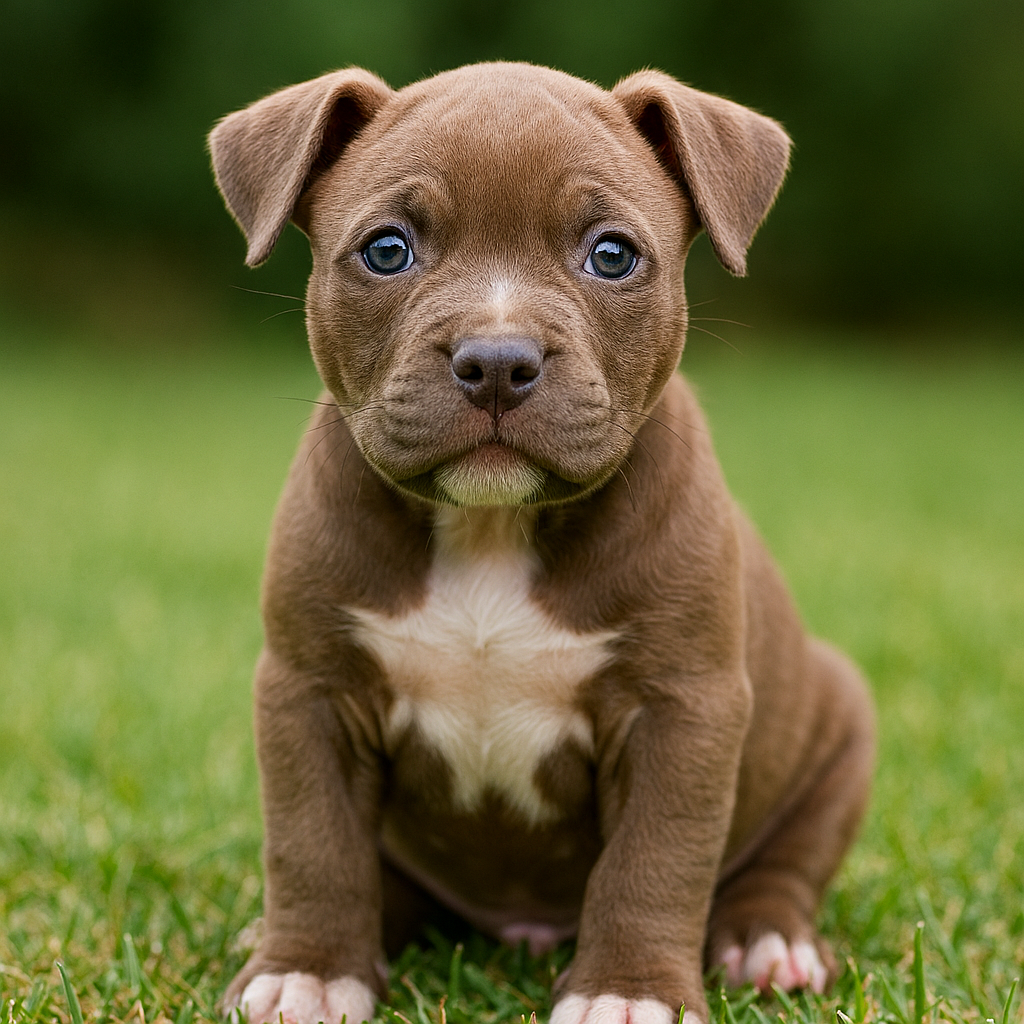
Understanding Your Pitbull Puppy’s Needs
Raising a pit bull puppy during the first six months requires thoughtful care and consistent guidance to build a strong foundation. Proper nutrition is essential at this stage, as puppies grow rapidly and need a balanced, high‑quality diet to support their development. Consulting a veterinarian can help you choose the right food, especially since pit bulls often benefit from appropriate protein levels and clean ingredients.
Early socialization is just as important. Introducing your puppy to new people, environments, and animals helps shape confident, well‑adjusted behavior and reduces the risk of fear or reactivity later in life. Regular veterinary visits also play a key role, ensuring vaccinations are on schedule, growth is monitored, and potential health issues are addressed early.
Because pit bulls are intelligent and energetic, mental stimulation should be part of daily life. Training sessions, interactive toys, and puzzle games keep their minds engaged, prevent destructive habits, and strengthen your bond. By prioritizing nutrition, socialization, health care, and mental enrichment, you set your pit bull puppy on the path to becoming a happy, well‑balanced, and loyal companion.
Essential Products for Raising a Puppy
When raising a pitbull puppy, selecting the right products can significantly contribute to the puppy’s healthy development and overall well-being. One of the most crucial items is high-quality puppy food, which provides the necessary nutrients essential for growth. Look for food specifically formulated for puppies, ensuring it contains proteins, fats, vitamins, and minerals that support their rapid growth phase. Additionally, consulting your veterinarian for tailored recommendations based on your puppy’s specific needs is advisable.
Training treats are another vital component for successful puppy upbringing. These small, palatable rewards help reinforce good behavior during training sessions. Opt for treats that are low in calories yet appealing to your puppy’s palate. This choice encourages frequent training while maintaining a healthy weight.
Toys play an essential role in both mental stimulation and physical activity. For a pitbull puppy, selecting durable toys is important due to their propensity for chewing. Consider including a variety of toys, such as squeaky toys, chew toys, and interactive puzzle toys. These promote teething comfort and provide necessary engagement to keep your puppy entertained.
Grooming supplies are equally necessary to maintain your puppy’s hygiene and appearance. A quality brush suitable for short-haired breeds should be included in your toolkit to manage shedding and keep your puppy’s coat healthy. Additionally, grooming tools such as nail clippers are essential for maintaining paw health and preventing discomfort.
Finally, essential training tools such as leashes and harnesses are fundamental for control and safety during walks. A sturdy leash attached to a well-fitting harness is particularly beneficial for pitbulls. These tools reinforce proper training and behavioral correction, ensuring a pleasant experience for both the puppy and the owner.
Training Tips and Techniques for Pitbull Puppies
Training a pit bull puppy takes consistency, patience, and a positive approach—especially during the first six months, when good habits are formed. Positive reinforcement is the most effective training method, using treats, praise, or play to reward desired behaviors while strengthening the bond between you and your puppy.
Start with basic commands such as sit, stay, come, and down, which are essential for safety and everyday control. Keep training sessions short, upbeat, and consistent to maintain engagement and avoid frustration. Clear commands and reliable rewards help your puppy understand expectations more quickly.
Potty training should also begin early. Take your puppy outside frequently—especially after meals, naps, or play—and reward them immediately for going outdoors. Accidents are normal; avoid punishment and focus on reinforcing good bathroom habits instead.
As your puppy grows, behavioral challenges like barking or overexcitement may appear. Address them early by redirecting their energy with toys, commands, or structured activities. Puppy training classes can be a valuable resource, offering professional guidance and healthy socialization.
With positive reinforcement, early training, and patience, you’ll set the foundation for a well‑behaved, confident pit bull and a rewarding lifelong companionship.
Creating a Safe and Stimulating Environment
Creating a safe home environment is essential for a pit bull puppy, especially during the first six months of development. Start by puppy‑proofing your home—remove hazards such as electrical cords, toxic plants, and small objects, and secure cabinets that may contain harmful items. These simple precautions help prevent accidents and keep your puppy safe as they explore.
Providing a designated space where your puppy can feel secure is equally important. A quiet, comfortable area—such as a crate—can serve as a personal retreat and support their natural den instincts. When introduced properly, a crate offers both safety and comfort while helping establish routine and structure.
Beyond safety, pit bull puppies need consistent mental and physical stimulation. Interactive toys, puzzle games, and regular exercise help burn energy, prevent boredom, and support healthy development. Establishing a routine that includes playtime, walks, and training contributes to a balanced and happy puppy.
By combining thorough puppy‑proofing, a secure resting space, and regular enrichment, you create an environment that supports your pit bull puppy’s safety, confidence, and overall well‑being.