
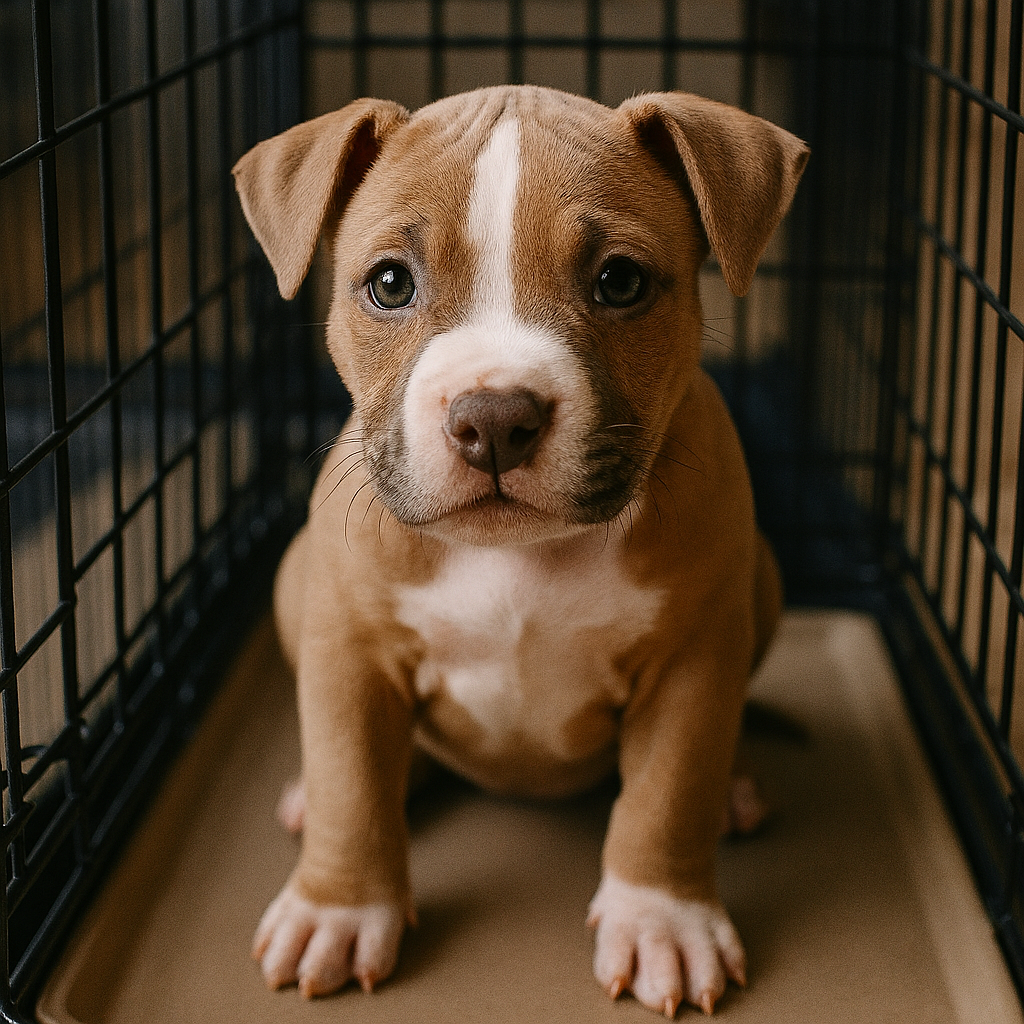
Understanding Crate Training and Its Benefits
Crate training is a widely used method to provide dogs with a safe, comfortable space while supporting positive behavior. For Pitbulls, a crate can become a secure retreat that reduces stress and builds confidence when introduced properly.
One major benefit of crate training is its effectiveness in house training. Dogs naturally avoid soiling their sleeping area, making the crate a helpful tool for teaching bladder control and encouraging better communication about bathroom needs.
A crate also serves as a personal sanctuary where your Pitbull can relax when feeling overwhelmed or tired. Having a designated safe space helps reduce anxiety-related behaviors such as excessive chewing or restlessness, leading to a calmer, more balanced dog.
Overall, crate training contributes to a more peaceful home environment. When your Pitbull feels secure and well-adjusted, it supports both their well-being and the harmony of your household.
Choosing the Right Crate and Accessories
When selecting a crate for your Pitbull, several factors need to be considered to ensure both functionality and comfort. First and foremost, the size of the crate is paramount. A Pitbull typically requires a spacious environment where they can stand, turn around, and lie down comfortably. Most breeders recommend a crate measuring at least 36 to 42 inches in length for an adult Pitbull. It’s advisable to avoid crates that are too large; excessive space may encourage them to use one corner as a bathroom.
The material of the crate is another vital aspect. Heavy-duty plastic or metal crates are often recommended as they provide better durability against stubborn chewing or digging. Wire crates can also be suitable, promoting air circulation, but should have a sturdy design to withstand the energy of a Pitbull. Furthermore, ensure that the crate has secure latches to prevent any escapes.
Accessories can greatly enhance your dog’s experience within the crate. High-quality bedding is essential; it should be thick enough to provide comfort but durable enough to withstand wear and tear. Look for washable options to maintain hygiene. Soft toys can also serve as companions for your Pitbull, keeping them occupied and reducing anxiety.
Consider also a crate cover, which creates a den-like atmosphere, calming your Pitbull and making them feel more secure. It is important to select accessories made from non-toxic materials to avoid any health risks.
As you assess various crates and accessories, prioritize quality and safety. Investing in well-made products will not only enhance your dog’s comfort but also ensure their well-being during crate training.
Effective Techniques for Crate Training Your Pitbull
Successful crate training starts with a calm, positive introduction. Place the crate in a central area of your home and keep the door open so your Pitbull can explore freely without pressure. Letting your dog observe household activity helps the crate feel like a comfortable part of daily life.
Build positive associations by placing treats, favorite toys, or a soft blanket inside the crate. Reward your Pitbull for approaching or entering it, and use simple cues like “go to your crate” followed by praise or a treat. These steps help reinforce the crate as a safe and welcoming space.
Consistency is key. Establish a routine by using the crate at predictable times, such as after meals, playtime, or bathroom breaks. Always avoid using the crate as punishment, as this can create fear or resistance.
If your Pitbull seems hesitant, start with short crate sessions and gradually increase the time as comfort grows. A calm environment—such as soft music—can also help ease the transition. With patience and positive reinforcement, crate training can become a rewarding experience for both you and your dog.
Overcoming Challenges and Maintaining a Positive Experience
Crate training a Pitbull can be highly rewarding, but it may come with challenges such as barking, anxiety, or resistance. Addressing these issues early helps create a positive experience for both you and your dog.
Excessive barking in the crate is often caused by anxiety, boredom, or attention-seeking. Identifying the cause is key. Gradual desensitization works well—allow your Pitbull to explore the crate freely, reward calm behavior, and slowly increase crate time in short, positive sessions. This helps your dog associate the crate with comfort rather than confinement.
Some Pitbulls may resist entering the crate. Never force them inside, as this can create fear. Instead, make the crate inviting with soft bedding, favorite toys, or special treats. Feeding meals in the crate is an effective way to build positive associations and encourage voluntary entry.
Throughout the process, patience and consistency are essential. Celebrate small wins, such as calm behavior or willingly entering the crate, and use praise or treats to reinforce success. With a supportive approach and consistent routine, your Pitbull can learn to view the crate as a safe and comfortable space.