
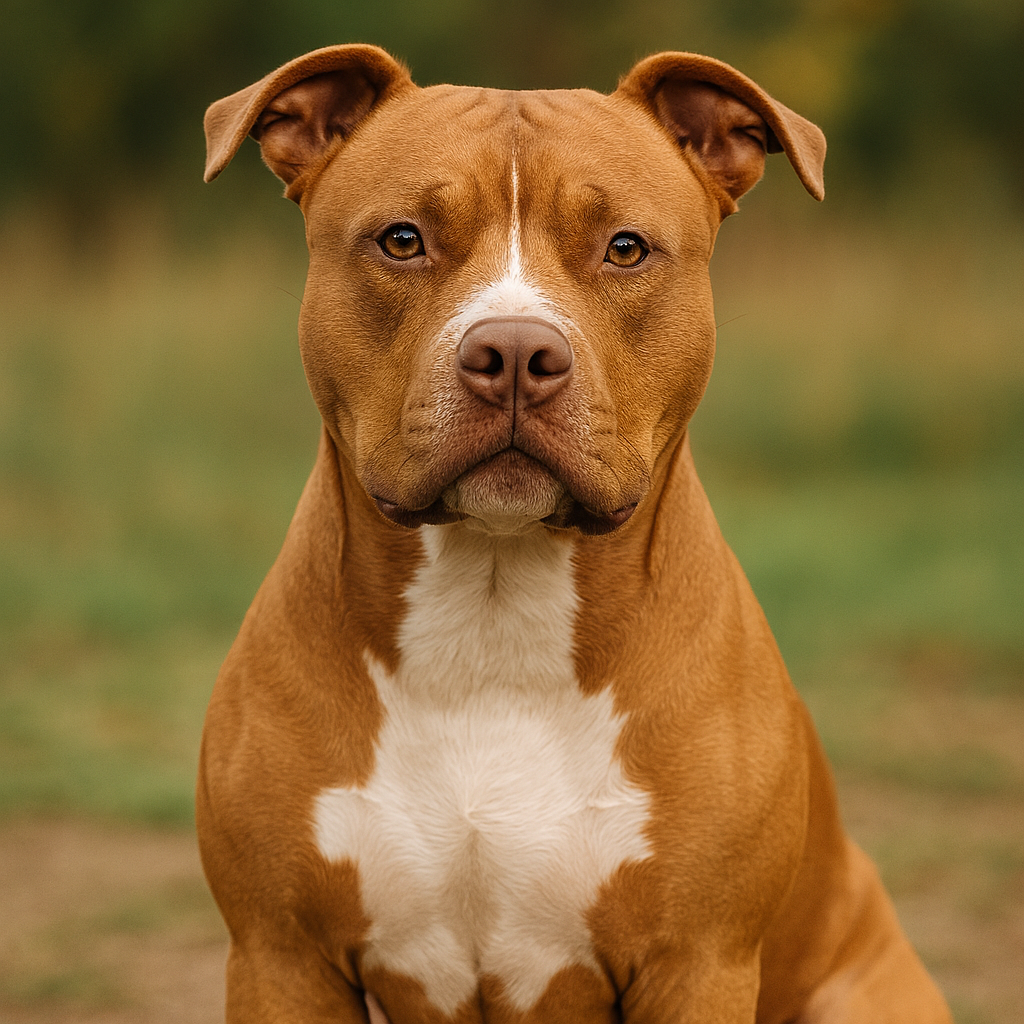
Understanding Pitbull Genetics and Behavior
Genetics play an important role in shaping Pitbull behavior. American Pit Bull Terriers inherit traits that influence temperament, intelligence, energy level, loyalty, and protective instincts. Developed historically for work, hunting, and companionship, the breed combines physical strength with a strong affection for people. When properly trained and socialized, Pitbulls are generally social, people‑oriented dogs that form deep bonds with their families.
That said, genetics are only part of the equation. Just as herding breeds display behaviors tied to their lineage, Pitbull traits must be understood alongside environmental factors. Early socialization, training, and lived experiences have a powerful impact on behavior. Understanding the balance between genetics and environment helps dispel myths and highlights the importance of responsible ownership and positive training in shaping well‑adjusted Pitbulls.
The Role of Environment in Shaping Behavior
A Pitbull’s behavior is strongly influenced by its environment, just like any other dog. A supportive setting that includes early socialization, consistent training, proper exercise, and positive human interaction helps Pitbulls develop into friendly, well‑balanced companions. In contrast, neglect, abuse, or lack of structure can contribute to fear, anxiety, and behavioral challenges.
Early socialization is especially important. Exposure to different people, animals, and environments during puppyhood builds confidence and reduces the risk of fear‑based reactions later in life. Training methods also matter—positive reinforcement encourages trust and cooperation, while harsh techniques can trigger stress or aggression.
Living conditions play an equally important role. Pitbulls need regular physical activity, mental stimulation, and social engagement to stay calm and content. Without these outlets, boredom and frustration can lead to destructive behaviors. Above all, consistent and positive human interaction strengthens their emotional well‑being and responsiveness.
Together, socialization, training, environment, and human connection shape how a Pitbull behaves, highlighting the powerful role responsible ownership plays in raising a confident and well‑adjusted dog.
Owner Influence: Training and Socialization Tips for Pitbulls
Training and socialization are essential to raising a well‑adjusted Pitbull. Because they are intelligent, energetic, and eager to please, positive reinforcement is one of the most effective training methods. Rewarding good behavior with praise, treats, or play builds trust and encourages consistent obedience.
Consistency is key. Regular training sessions with clear expectations help Pitbulls understand boundaries and develop reliable habits. Starting with basic commands and gradually introducing more advanced skills creates structure and confidence. Equally important is providing outlets for their energy—activities like fetch, agility training, puzzle toys, and group classes offer both physical and mental stimulation while improving social skills.
Setting clear, fair boundaries helps Pitbulls understand their role within the family. Gentle corrections paired with positive guidance are far more effective than harsh discipline, which can lead to fear or anxiety. Ultimately, patient training, consistent routines, and engaging activities allow Pitbulls to thrive, strengthening the bond between dog and owner and promoting a calm, balanced home environment.
Helpful Products for Pitbull Owners
Being a responsible Pitbull owner entails providing the right resources to improve your dog’s behavior and well-being. Various products can help enhance training, socialization, and overall care. These resources are especially important given the breed’s intelligence and energy levels.
One of the most crucial items for a Pitbull owner is a quality harness. A well-designed harness distributes pressure evenly, reducing strain on the dog’s neck and making walks more comfortable. Look for one that has adjustable straps and a front-clip option to discourage pulling. Leashes of appropriate length and strength are essential for control, particularly for energetic Pitbulls. A durable leash ensures safety during walks and training sessions.
Next, consider investing in stimulating toys that cater to your Pitbull’s mental and physical needs. Interactive toys that dispense treats or puzzle toys can engage your dog, reducing boredom and preventing problematic behaviors. Chew toys designed for powerful jaws are also a wonderful investment, keeping your dog entertained while promoting dental health.
Training aids are invaluable for shaping your dog’s behavior. Look for online training classes or guides tailored specifically for Pitbulls. These resources can provide expert insights into effective training techniques, enhancing the owner-dog relationship. Positive reinforcement methods, often emphasized in these materials, help build trust and confidence in your Pitbull.
Using the right selection of tools, including harnesses, leashes, toys, and educational resources, can significantly influence Pitbull behavior. By equipping yourself with these helpful products, you will create a nurturing environment that fosters growth and loyalty in your loyal companion. Ensuring your Pitbull has access to the right resources is key in establishing a positive and harmonious relationship.