
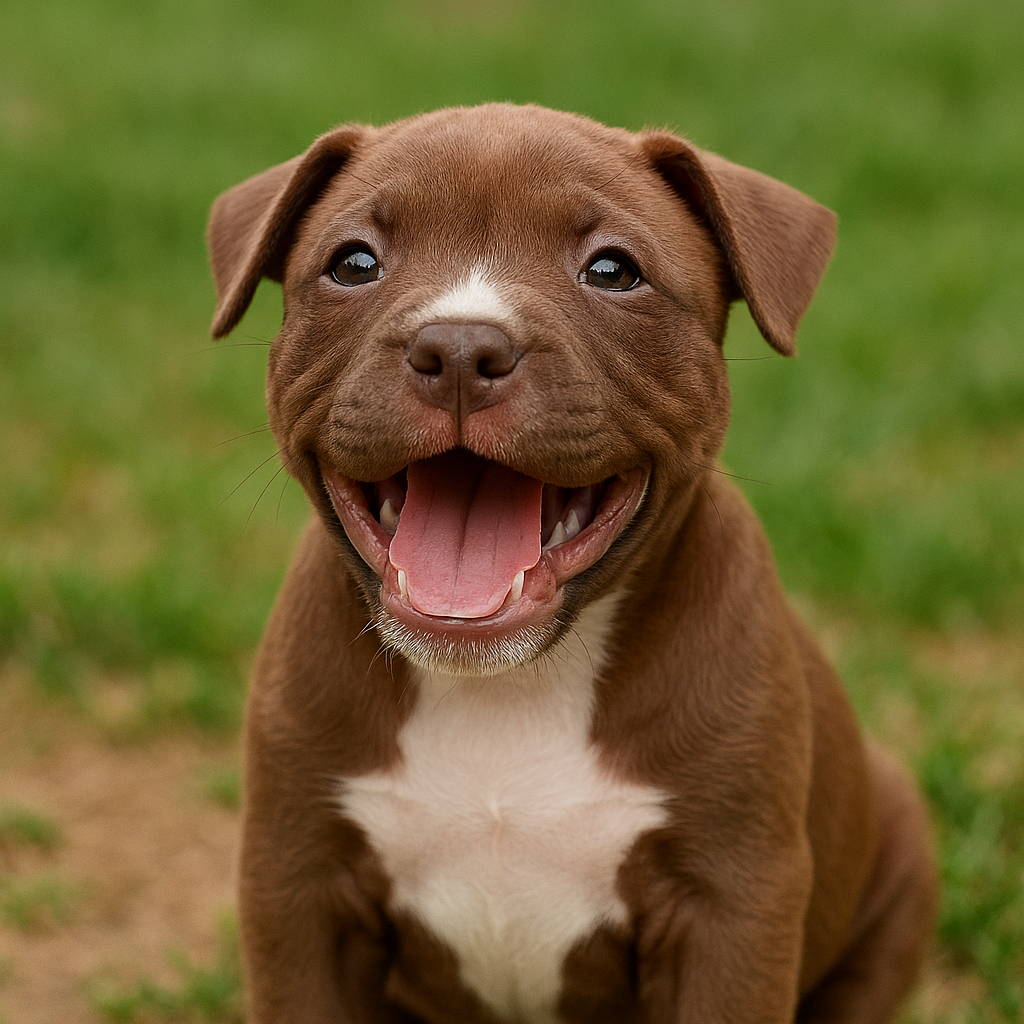
Signs of Separation Anxiety in Pitbulls
Separation anxiety is common in Pitbulls and often shows up through distress-driven behaviors when they’re left alone. One of the most noticeable signs is excessive barking, which typically reflects anxiety rather than boredom. Destructive chewing is another red flag—dogs may damage furniture, shoes, or household items as a way to cope with stress. House soiling can also occur, even in well house‑trained Pitbulls, as anxiety overrides learned behavior. Other symptoms may include pacing, whining, panting, or drooling. While some of these actions can be normal in certain situations, consistent patterns that occur only during absences often point to separation anxiety. Recognizing these signs early allows owners to take proactive steps to help their Pitbull feel more secure and comfortable when alone.
Causes of Separation Anxiety in Pitbulls
Separation anxiety in Pitbulls can develop due to a mix of genetic and environmental factors. Some dogs are naturally more prone to anxiety, especially if it runs in their lineage, making them more sensitive to changes in routine or environment. Past experiences also play a major role—Pitbulls who have faced abandonment, abuse, or significant loss may develop insecurity that surfaces when they’re left alone. Environmental changes, such as moving homes or welcoming a new family member, can further disrupt their sense of stability. Additionally, dogs that lacked proper socialization during puppyhood may struggle to handle stress or unfamiliar situations independently, increasing the likelihood of separation anxiety. Understanding these underlying causes helps owners better address and manage their dog’s emotional needs.
Solutions to Alleviate Separation Anxiety
Managing separation anxiety in Pitbulls requires a thoughtful, well-rounded approach focused on building confidence and reducing stress. Creating a safe, comfortable space with familiar bedding and toys gives your dog a place to relax when alone. Training is equally important—using positive reinforcement and practicing short departures that gradually increase in length helps your Pitbull learn that you will always return. Establishing a predictable daily routine for meals, walks, playtime, and rest can further reduce anxiety, as Pitbulls thrive on structure. Regular exercise is essential, as it helps release pent‑up energy and lowers stress levels. Gradual desensitization, paired with engaging toys or treats, can redirect your dog’s attention during absences. In some cases, calming aids like pheromone diffusers or anxiety wraps may provide added comfort. When combined, these strategies can significantly ease separation anxiety and help your Pitbull feel safe and secure.
Tips, Tricks, and Products to Support Anxious Pitbulls
Supporting an anxious Pitbull requires a thoughtful approach that encompasses both behavioral strategies and the use of calming products. One effective way to mitigate separation anxiety is through the use of anxiety wraps. These snug garments provide a gentle, constant pressure that can help stabilize your dog’s nervous system, promoting a sense of calm during stressful situations. When selecting an anxiety wrap, ensure that it fits your Pitbull comfortably to achieve the best results.
Another useful tool to combat anxious behaviors is the integration of calming treats into their diet. Many of these treats contain natural ingredients like chamomile or valerian root, which are known for their calming properties. When used as part of a consistent routine, calming treats can help alleviate your dog’s anxiety levels significantly.
Pheromone diffusers also serve as a beneficial resource for managing anxiety in dogs. These products replicate the natural calming pheromones emitted by mother dogs, facilitating a soothing environment. Placing a diffuser in spaces where your Pitbull spends the most time can create a less stressful atmosphere, thereby alleviating some of their anxious tendencies.
Interactive games and puzzles can effectively engage your dog’s mind, helping to distract them during periods of separation. Toys that dispense treats or require problem-solving skills not only occupy your pet but also promote cognitive stimulation, which can reduce feelings of anxiety. Choosing a variety of toys allows you to keep your Pitbull interested and engaged over time.
For owners seeking professional help, enrolling in training classes can provide valuable resources and techniques tailored to your Pitbull’s needs. Likewise, consulting with a veterinarian about behavioral training or medications can be beneficial for dogs exhibiting severe anxiety signs. Combining these approaches creates a comprehensive strategy to manage separation anxiety effectively.