
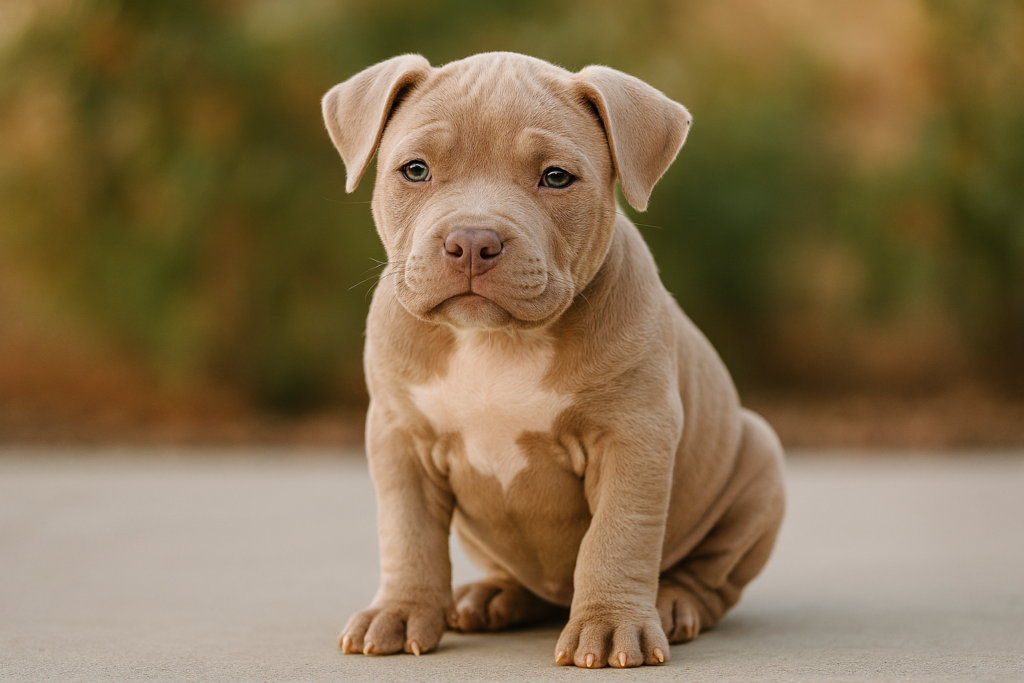
Understanding Reactivity in Pitbulls
Reactivity in Pitbulls refers to intense emotional responses—such as barking, lunging, or defensive behavior—triggered by stimuli like loud noises, other dogs, or unfamiliar people. These reactions are often driven by fear, anxiety, or instinct, particularly the urge to protect themselves, their owners, or their territory. Common signs include wide eyes, raised hackles, and excessive vocalization. Understanding these triggers and recognizing early warning signals allows owners to intervene appropriately, create a calmer environment, and apply effective behavior‑modification strategies, ultimately helping the dog become more balanced and relaxed.
Effective Training Techniques for Calming Reactive Pitbulls
Training a reactive Pitbull requires patience, consistency, and thoughtful techniques. Positive reinforcement is highly effective—rewarding calm behavior with treats, praise, or play helps reinforce what you want to see. Desensitization and counter‑conditioning are also key: gradually exposing the dog to triggers at a safe distance while pairing the experience with rewards can change their emotional response over time. Consistent basic commands like “sit,” “stay,” and “leave it,” practiced in short, frequent sessions, help build confidence and focus. Using a simple training schedule and tracking progress allows owners to adjust methods as needed. With the right approach—and supportive training tools—reactivity can be reduced, leading to a calmer, more balanced dog.
Harnesses and Leashes
One of the most essential tools for controlling a reactive Pitbull is a well-fitted harness. Unlike collars, which can place pressure on a dog’s neck, harnesses distribute the pressure evenly across the chest and back, allowing greater control. A front-clip harness is particularly useful, as it discourages pulling and can help direct your dog’s attention during walks. Additionally, a strong leash, preferably no longer than six feet, provides good control. Choose leashes with padded handles for extra comfort during walks and training exercises.
Calming Supplements
Calming supplements can also play a vital role in managing a dog’s anxiety and reactivity. Products containing natural ingredients such as L-Theanine, chamomile, or valerian root may help create a calming effect on your Pitbull. These supplements are typically available in chewable or liquid forms, making administration straightforward. When selecting a calming product, always consult with your veterinarian to ensure it is suitable for your dog’s specific needs.
Training Aids
In conjunction with physical products, various training aids can support your Pitbull’s behavioral management. Clickers, for instance, are effective tools for positive reinforcement training, which encourages desired behaviors. Incorporating these into your training regimen can help reinforce calmness during challenging situations. Treats can also be valuable; offering small rewards when your dog remains calm can further benefit the training process. Choose high-value treats that your dog enjoys to enhance motivation.
Overall, utilizing the right products can assist in transforming a reactive Pitbull into a more manageable pet. By investing in proper harnesses, leashes, calming supplements, and training aids, beginners can embark on their journey towards achieving a calm and neutral demeanor in their canine companions.
Creating a Calm Environment: Lifestyle Changes for Success
Helping a reactive Pitbull develop a calmer demeanor often starts with simple but consistent lifestyle changes. Regular exercise is essential, as daily walks and structured play help release excess energy and reduce anxiety. Mental stimulation is just as important—puzzle toys, obedience training, and positive‑reinforcement exercises keep the dog engaged and focused on constructive behaviors.
Gradual socialization also plays a key role. Carefully exposing a Pitbull to new people, environments, and animals in controlled, positive settings builds confidence and reduces fear‑based reactions over time. Additionally, providing a designated safe space at home—a quiet, comfortable area where the dog can retreat when overwhelmed—allows for decompression and emotional regulation.
By combining consistent routines, physical and mental enrichment, thoughtful socialization, and a secure home environment, owners can support meaningful, long‑term improvements in their Pitbull’s calmness and overall well‑being.