Understanding the Pitbull Stigma
The stigma surrounding Pitbulls is largely driven by misconceptions and sensationalized media coverage, not facts. A handful of high-profile incidents involving dogs labeled as Pitbulls have fueled unfair generalizations, ignoring the impact of responsible ownership and individual behavior. Historically, Pitbulls were bred for farm work and companionship, and their strength and courage were traits of reliability—not aggression.
In reality, Pitbulls are known for their loyalty, intelligence, and affectionate nature. When properly trained and socialized, they thrive as family pets and form strong bonds with humans. Negative behavior is far more often the result of poor training or neglect rather than breed-specific traits.
Education is key to changing public perception. By sharing accurate information and real-life experiences, dog owners and advocates can replace fear with understanding and promote responsible ownership, helping Pitbulls be seen for who they truly are.
Effective Communication Skills for Advocacy
Advocating for your Pitbull in public requires clear, positive communication to counter common misconceptions. Because Pitbulls are often misunderstood, owners play a vital role in shaping how others perceive the breed. Effective advocacy starts with confidently highlighting your dog’s strengths—such as intelligence, loyalty, and affection.
Sharing personal stories is one of the most impactful ways to connect with others. Simple anecdotes about your Pitbull’s gentle behavior with children or success in training can humanize your dog and help dispel fear-based stereotypes. These real-life examples make conversations relatable and memorable.
Responsible ownership is equally important. Emphasizing proper training, socialization, and healthcare reinforces the message that well-cared-for Pitbulls are loving, dependable companions. Practicing responses to negative comments or questions can also help owners stay calm and confident in public interactions, contributing to a more informed and compassionate view of Pitbulls overall.
Practical Tips for Public Interaction
Advocating for your Pitbull in public starts with preparation and responsible behavior. Proper leash etiquette is essential—using a secure, short leash helps maintain control and prevents unexpected interactions that could reinforce negative stereotypes. Keeping your dog calm and well-managed shows others that Pitbulls can be trustworthy companions.
When interacting with strangers, remain friendly but proactive. Briefly explaining that your Pitbull is well-socialized and friendly can help ease concerns and shift perceptions. Always ask before allowing greetings with people or other dogs, as respecting boundaries reinforces responsible ownership.
Organized socialization, such as planned playdates or local dog meetups, is another effective way to showcase positive behavior. These controlled environments allow your Pitbull to interact safely while helping normalize their presence in public spaces.
Consistently demonstrating good manners—from both owner and dog—is one of the most powerful ways to challenge misconceptions. Through calm interactions, proper training, and respectful communication, you can help build a more positive reputation for Pitbulls in your community.
Essential Tools and Products for Pitbull Owners
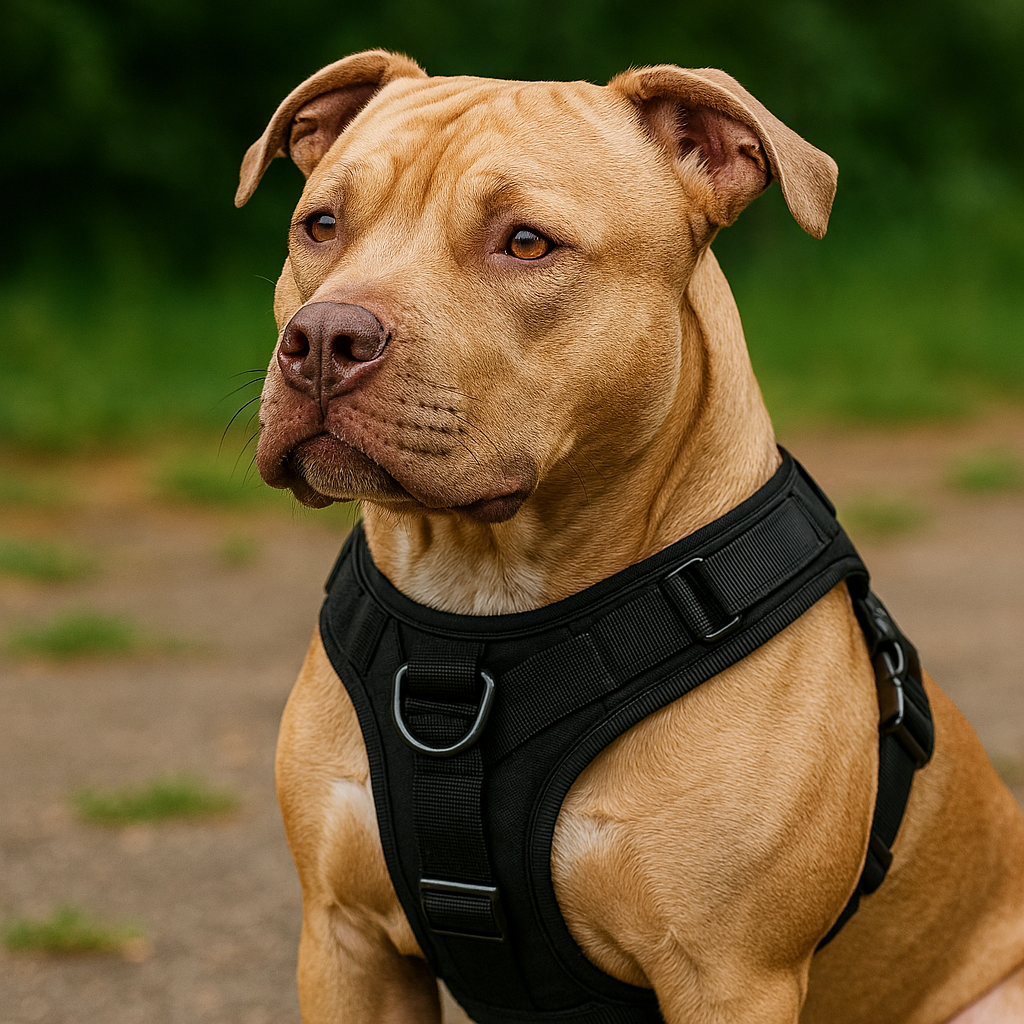
Responsible Pitbull ownership starts with using the right tools to support your dog’s well-being and promote a positive public image. A high-quality, adjustable harness is essential, as it offers better control during walks while reducing strain on your dog’s neck compared to traditional collars.
Educational materials, such as breed‑specific pamphlets and training guides, are powerful advocacy tools. Sharing accurate information about Pitbull temperament, training needs, and responsible ownership helps dispel common myths and encourages understanding within the community. Training guides that focus on positive reinforcement can also strengthen communication and reinforce good behavior.
Branded gear—including leashes, collars, or apparel with positive messages—can help challenge stereotypes and spark meaningful conversations. Additionally, investing in durable chew toys and interactive puzzles supports physical and mental stimulation, contributing to a healthy, happy Pitbull.
By combining proper equipment, education, and positive representation, Pitbull owners can advocate effectively and showcase these dogs as the loyal, loving companions they truly are.