Understanding the Exercise Needs of Pitbulls
Pitbulls are strong, athletic dogs with high energy levels, making regular exercise essential for their health and happiness. On average, Pitbulls need 60–90 minutes of daily exercise, depending on age, health, and overall energy. Consistent activity helps maintain a healthy weight, build muscle, and reduce unwanted behaviors caused by boredom.
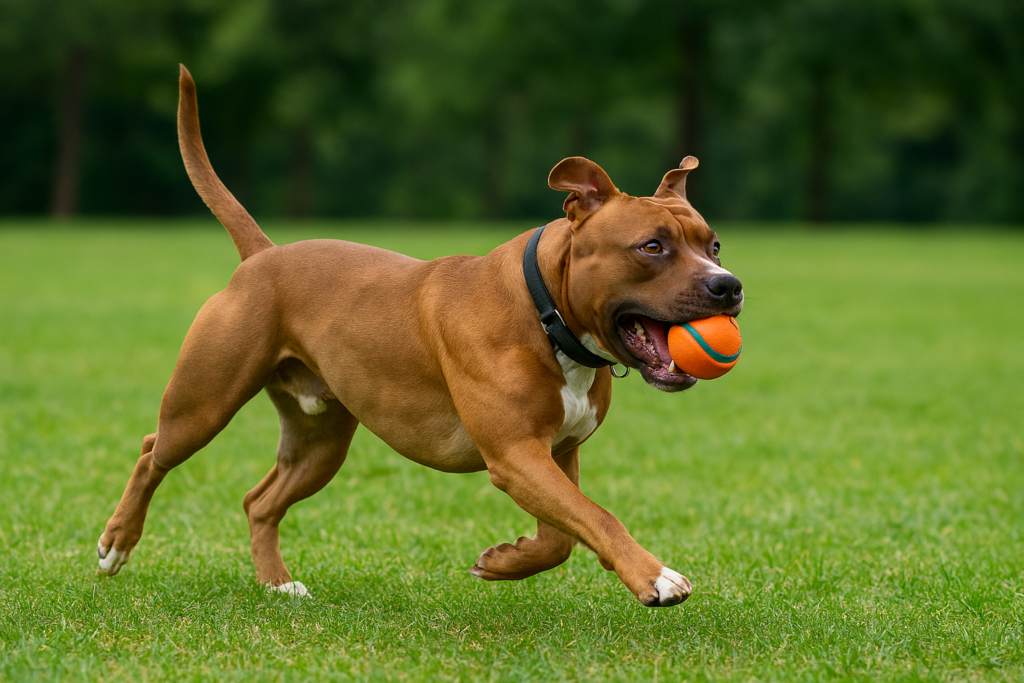
A well-rounded exercise routine should include both physical and mental stimulation. Brisk walks, jogging, fetch, and tug-of-war are excellent ways to burn energy and engage their strength. Pitbulls also thrive on mental challenges, so puzzle toys, obedience training, and agility exercises are highly beneficial. These activities prevent boredom while sharpening focus and discipline.
Adequate exercise is especially important due to the Pitbull’s loyal and driven temperament. Without enough activity, they may become restless or destructive. Daily exercise not only supports physical health but also strengthens the bond between dog and owner.
Providing structured, varied exercise tailored to your Pitbull’s needs ensures a well-balanced, happy, and well‑behaved companion.
Signs Your Pitbull is Over-Exercised
Pitbulls are energetic and athletic dogs, but too much exercise can negatively impact their health. One of the most common signs of over‑exercising is excessive panting, especially if it continues long after moderate activity. This can indicate that your Pitbull has exceeded their physical limits.
Lethargy is another key warning sign. If your normally active Pitbull becomes unusually tired, shows less enthusiasm for play, or seems reluctant to exercise, over‑exertion may be the cause. This fatigue can also lead to irritability or behavioral changes, such as being less responsive or more short‑tempered than usual.
Pay attention if your Pitbull begins avoiding activities they usually enjoy, like walks or fetch. Additionally, persistent soreness, stiffness, or difficulty moving after exercise suggests their routine may be too intense.
Balancing exercise with adequate rest is essential. By monitoring these signs and adjusting activity levels accordingly, you can ensure your Pitbull stays healthy, happy, and active without the risk of over‑exercise.
Tips for Optimizing Your Pitbull’s Exercise Routine
Building a safe and effective exercise routine is key to keeping your Pitbull healthy without over‑exertion. Aim for at least 60 minutes of daily exercise, split into shorter sessions to prevent fatigue and support recovery. A consistent schedule helps establish routine and keeps your dog mentally satisfied.
Rest days are essential for muscle recovery and joint health. These should focus on lighter activities like slow walks or indoor play rather than high‑intensity workouts. Rest doesn’t mean inactivity—it ensures long‑term fitness and injury prevention.
Variety is also important. Mix in activities such as fetch, agility training, swimming, and social play to engage different muscle groups and keep exercise fun. Mental stimulation reduces boredom and burnout while improving overall behavior.
Always consider your Pitbull’s age, health, and energy levels. Watch for signs of fatigue or discomfort and adjust the intensity or duration as needed. Every dog is different, and tailoring exercise to your Pitbull’s limits promotes better health and happiness.
A balanced routine that blends activity, rest, and variety will help your Pitbull thrive while avoiding the risks of over‑exercise.
Products to Support Healthy Exercise for Pitbulls
Supporting a healthy exercise regimen for your Pitbull involves more than just regular walks and playtime. There are numerous products available that can aid in providing the right type of physical and mental stimulation, ensuring your dog remains active without over-exertion. One of the most effective tools for this is high-quality dog toys designed specifically for mental engagement. Interactive toys, such as puzzle feeders, require your Pitbull to think critically in order to access treats. This not only keeps them entertained but also helps to prevent boredom-related behaviors that could lead to over-exercising attempts.
In addition to toys, proper equipment is essential for promoting safe outdoor activities. Harnesses are highly recommended for Pitbulls due to their strength and build. A well-fitted harness reduces strain on the neck during walks, allowing for a more comfortable experience for both the dog and the owner. Moreover, utilizing reflective leashes and collars can enhance safety during early morning or late evening outings, ensuring visibility during lower light conditions.
Furthermore, technology plays a significant role in managing your Pitbull’s exercise levels. Health tracking devices, such as GPS collars and fitness monitors, allow owners to keep a close eye on their dog’s activity throughout the day. These gadgets provide insights into the amount of exercise your Pitbull is getting and can alert you to any sudden changes in activity levels, which might be a sign of fatigue or distress. With this information, dog owners can make informed decisions about adjusting their pet’s exercise routine to meet individual needs.
By incorporating these products into your Pitbull’s exercise regimen, you can support a healthy lifestyle that aligns with their well-being and prevents the pitfalls of over-exercising.